Shaghayegh-golestan
Systemanchorage
StatusCompleted
Scale22 m
Date2016
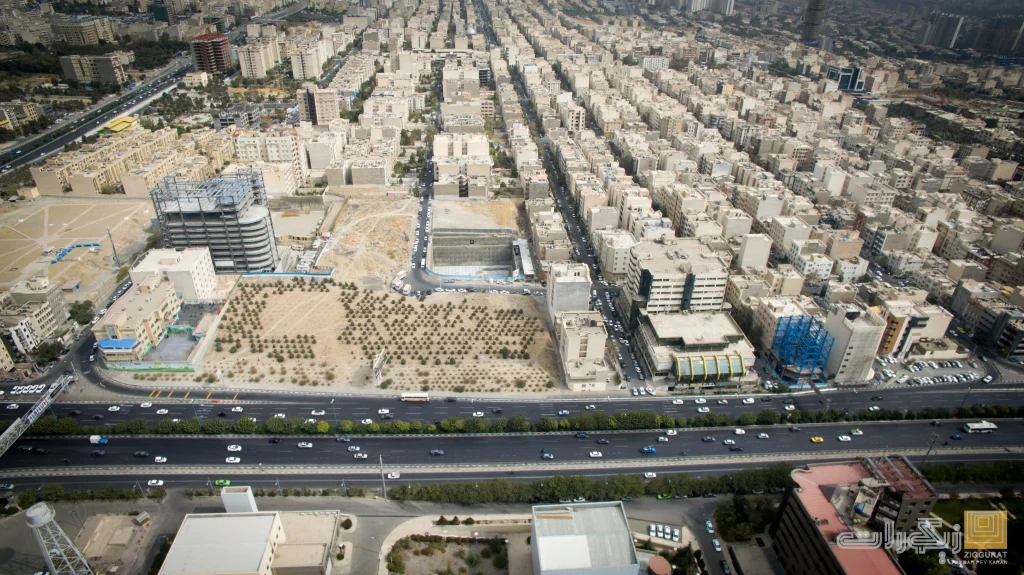
Locationshahrak e gharb , tehran
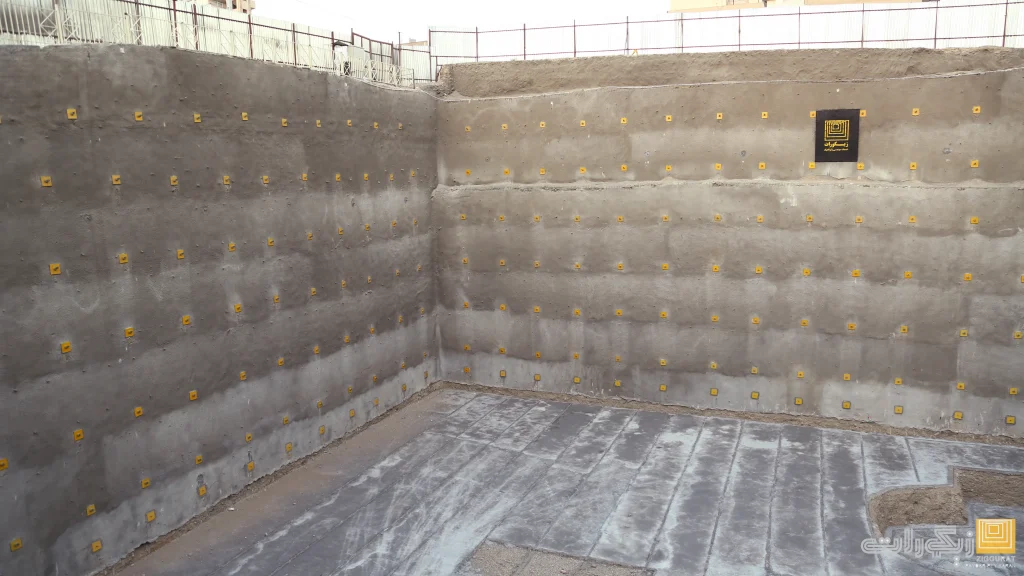
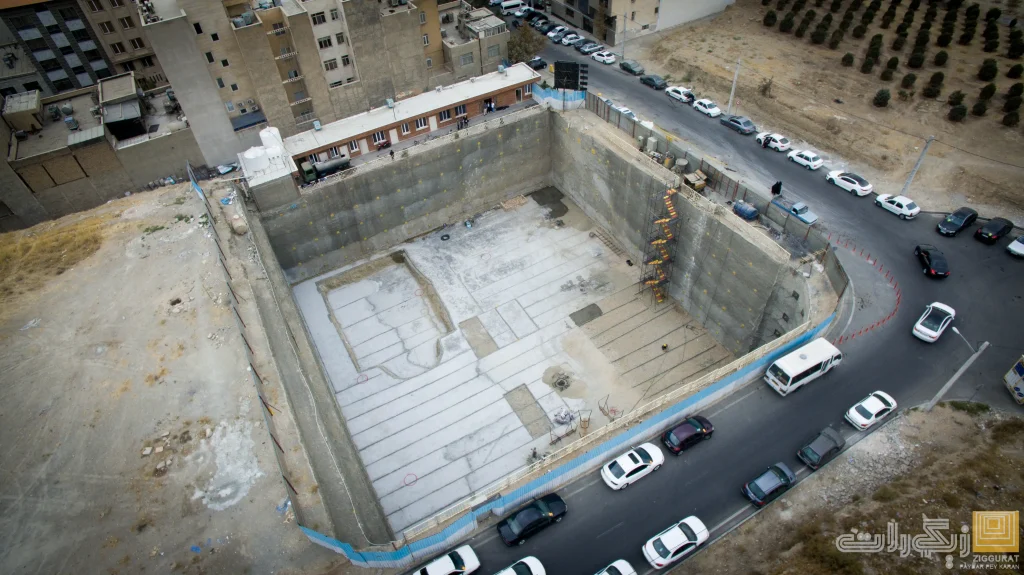
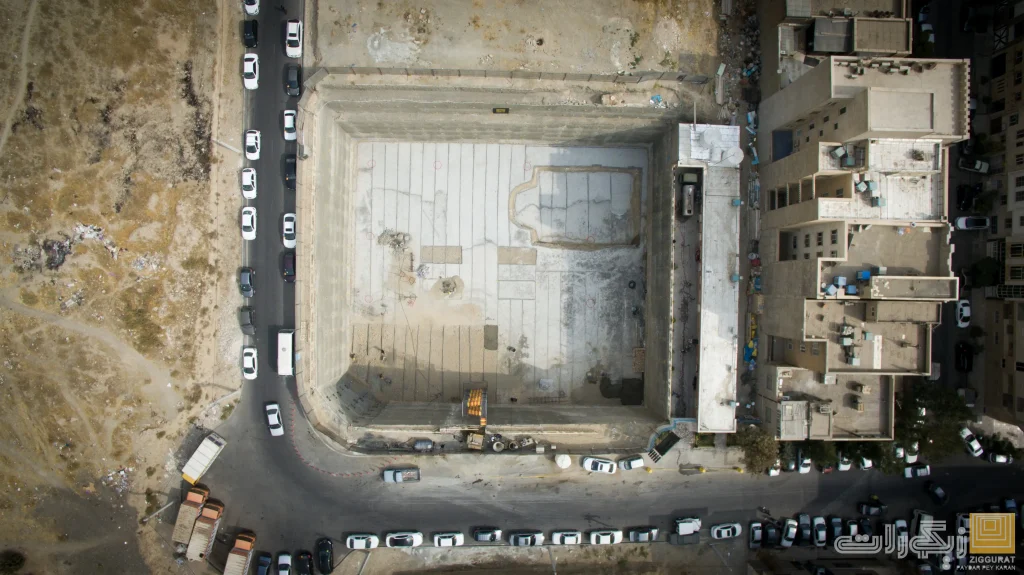
Excavation, Earth Retention, and Anchoring were carried out for a deep and safe excavation on a site covering 2,000 square meters.
The project was located in Shahrak-e Gharb, Tehran, and involved excavation to a depth of 22 meters.
Due to the considerable excavation depth, selecting an appropriate method for supporting and stabilizing the excavation walls was particularly important.
For this project, an anchoring system was used as the excavation support method.
One of the client’s main priorities was to complete the project within a short timeframe while maintaining the required quality and safety standards.
For this reason, the excavation and support operations were planned and coordinated carefully throughout the different stages of execution.
Project Specifications
* Project Type: Deep excavation and excavation support
* Site Area: 2,000 square meters
* Excavation Depth: 22 meters
* Support Method: Anchoring
* Project Duration: Less than 70 days
* Location: Tehran, Shahrak-e Gharb, Shahid Hafezi Street, Golestan 1st Alley
Deep Excavation Works
Excavation to a depth of 22 meters required careful planning due to the considerable excavation depth and the need to control the stability of the excavation walls.
Deep excavation projects require proper sequencing of construction activities. The excavation process must be coordinated with the installation and implementation of the support system to maintain safe and controlled working conditions.
In this project, the excavation and support operations were carried out in a coordinated sequence.
This approach allowed the construction activities to proceed systematically while maintaining the required conditions for excavation wall stability.
Proper management of the construction sequence is particularly important in deep excavation projects.
Staged excavation and support can contribute to better control of excavation wall conditions and help reduce potential construction-related problems.
Excavation, Earth Retention, and Anchoring
The Excavation, Earth Retention, and Anchoring operations in this project were planned with a focus on maintaining stability while achieving the required construction schedule.
The excavation support system was implemented using anchoring.
An anchoring system can be used to transfer forces acting on the excavation support system into the surrounding soil mass through tensile elements.
The design and implementation of an anchoring system depend on several project-specific factors.
These factors may include excavation depth, ground conditions, the condition of adjacent structures, site constraints, and construction requirements.
Therefore, the selection, design, and installation of an anchoring system should be based on actual site conditions and applicable technical requirements.
Anchoring as the Excavation Support Method
In this project, anchoring was selected as the method for excavation support and stabilization.
The anchoring system was coordinated with the excavation sequence so that excavation could progress while the required support measures were implemented.
The selection of an excavation support method is an important part of deep excavation planning.
Different factors can influence this selection, including excavation depth, soil and ground conditions, neighboring structures, available working space, construction limitations, and the required execution schedule.
For this reason, excavation support systems should be designed and executed according to the specific conditions of each project.
In this project, the use of anchoring was coordinated with the excavation process to facilitate systematic execution and maintain controlled working conditions.
Project Execution Speed and Quality
Excavation, Earth Retention, and Anchoring were carried out with a strong focus on execution speed, quality, and safety.
Fast project execution was one of the client’s most important requirements.
However, increasing the speed of construction could not come at the expense of quality or safety requirements.
The execution process was therefore organized around proper time management, coordination between the different construction stages, and compliance with the required technical and safety considerations.
This approach allowed the project team to maintain a controlled construction sequence while working toward the required completion schedule.
The entire project was completed in less than 70 days.
Achieving this execution timeframe while maintaining the quality of the excavation support works was one of the project’s key achievements.
Project Outcome
The successful execution of this project demonstrates the importance of detailed planning and effective coordination in deep excavation projects.
This becomes particularly important when the client simultaneously prioritizes execution speed, quality, and safety.
The Excavation, Earth Retention, and Anchoring approach used in this project provided a coordinated framework for progressing the excavation and support operations.
The combination of careful planning, coordinated excavation and support activities, and the use of an anchoring system enabled the project to progress systematically and achieve the established execution schedule.
The project was completed in less than 70 days, with an excavation depth of 22 meters and a site area of 2,000 square meters.
To learn about a similar stabilization project using anchoring, read this: Dadman II Project.